
Good Nutrition, Affordable Price of Eggs
The “Gold Standard” Protein
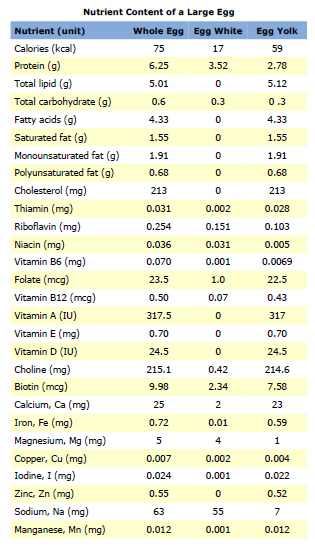
Here is the detailed breakdown using current USDA FoodData Central values.
- Calories: ~72 kcal per large egg.
- High-Quality Protein: 6.3g (contains all nine essential amino acids).
- Healthy Fats: 4.8g (mostly monounsaturated and polyunsaturated).
- Vitamins: Rich in B12, Riboflavin (B2), Selenium, and Vitamin D (one of the few food sources).
Spotlight on Choline (The Brain Nutrient)
Most consumers are unaware that eggs are one of the best dietary sources of Choline. According to the National Institutes of Health (NIH):
- Function: Choline is essential for brain development, liver function, and metabolism. It is particularly critical for pregnant women to support fetal brain development.
- Data: One large hard-boiled egg provides about 147 mg of choline, which is roughly 27% of the Daily Value (DV).
- Fact: Approximately 90% of Americans do not get enough choline; adding an egg to the daily diet can significantly bridge this gap.
Eggs and Eye Health: The Power of the Yolk
While many people associate eye health with carrots, eggs are actually one of the most effective “functional foods” for protecting your vision. This is due to two specific antioxidants: Lutein and Zeaxanthin.
The Role of Antioxidants
Egg yolks are rich in Lutein and Zeaxanthin, which are xanthophyll carotenoids. These are the only two carotenoids that cross the blood-retina barrier to accumulate in the macula (the central part of the retina).
- Blue Light Filter: They act as “internal sunglasses,” absorbing harmful high-energy blue light and protecting the eyes from oxidative stress.
- Density Matters: Higher levels of these nutrients in the diet are directly linked to increased Macular Pigment Optical Density (MPOD), which is a key indicator of long-term eye health.
Health Benefits: Preventing Age-Related Issues
Regular consumption of eggs can provide a natural defense against the leading causes of vision loss:
- Macular Degeneration (AMD): Research suggests that these antioxidants help prevent or slow the progression of AMD, the leading cause of blindness in older adults.
- Cataracts: Higher intake of Lutein and Zeaxanthin is associated with a significantly lower risk of developing cataracts.
Why Yolk Color and Quality Matter
For both producers and consumers, the yolk is the nutritional “engine” of the egg. Its appearance is a direct indicator of the hen’s health and the nutrient density of the final product.
- The Color Connection: The intensity of the yolk color (often measured on a scale of 1 to 16 using the Yolk Color Fan) is primarily determined by the presence of carotenoids. A deeper orange yolk generally indicates a higher concentration of Lutein and Zeaxanthin. While pale yolks are not “spoiled,” they typically contain fewer of these specific eye-protecting antioxidants.
- Dietary Sources: Hens do not produce carotenoids naturally; they must get them from their feed. High-quality yolks are usually the result of a diet rich in yellow and orange pigments found in corn, alfalfa, or marigold petals.
- Consistency as a Quality Marker: In the egg industry, color consistency is a key metric for “quality.” Large-scale variations in yolk color within the same batch can indicate issues with feed distribution or hen health. This is why professional-grade testing—measuring exactly where a yolk falls on the color spectrum—is essential for brands that market their eggs as “Premium” or “High-Omega.”
The “Bioavailability” Advantage
One of the most important facts is that not all Lutein is created equal.
- Superior Absorption: Although green leafy vegetables (like spinach) contain high amounts of Lutein, the body struggles to absorb it efficiently from plant sources alone. Because egg yolks contain natural fats (lipids), the Lutein and Zeaxanthin within them are highly bioavailable.
- The Lipid Link: Research shows that the body absorbs these antioxidants significantly better from eggs than from supplements or vegetables because the yolk provides the “delivery vehicle” (fat) necessary for the nutrients to enter the bloodstream.
Research from the National Institutes of Health (NIH) and the Journal of Nutrition confirms that even though the total amount of carotenoids in an egg might be lower than in a cup of spinach, the amount actually absorbed and utilized by the human eye is often much higher when consumed via an egg yolk.
The Cholesterol Myth
This may be the No.1 question you may likely ask about egg and cholesterol. The American Heart Association (AHA)and USDAguidelines clarify:
- Modern Consensus: For most healthy individuals, the cholesterol in eggs has a much smaller effect on blood cholesterol levels than saturated and trans fats.
- The “One-a-Day” Rule: The AHA suggests that one egg per day can be part of a healthy heart diet for most people.
- The “Good” Cholesterol: Eggs can actually help increase levels of High-Density Lipoprotein (HDL), the “good” cholesterol.
Egg Safety and Storage according to CDC and FDA guidelines
- Storage: Always store eggs in the main body of the refrigerator (not the door) to maintain a consistent temperature of 40°F (4°C) or colder.
- Cooking: Cook eggs until yolks and whites are firm to prevent Salmonella.
- Freshness Test: Explain the “Float Test” (though not scientific for safety, it’s a popular trivia item for users interested in egg quality).
References & Nutritional Sources
The information provided on this page is gathered from public domain data and scientific research provided by leading health and agricultural organizations.
- U.S. Department of Agriculture (USDA): Nutrient data provided by FoodData Central for Standard Reference (SR) Legacy foods, specifically focusing on the nutritional profile of the Large Grade A Egg.
- National Institutes of Health (NIH)– Office of Dietary Supplements: Clinical data regarding the benefits of Choline for brain health and the role of Lutein and Zeaxanthin in ocular health. View NIH Fact Sheets.
- U.S. Food & Drug Administration (FDA): Guidelines for egg safety, proper refrigeration (40°F/4°C), and the prevention of foodborne illness. Egg Safety Information.
- American Heart Association (AHA): Updated dietary recommendations regarding dietary cholesterol and the inclusion of eggs in a heart-healthy diet.
- Journal of Nutrition / American Journal of Clinical Nutrition: Research citing the superior bioavailability of carotenoids (Lutein/Zeaxanthin) found in egg yolks due to the presence of natural lipids.
Note: While eggs are a nutrient-dense food, individuals with specific dietary restrictions or medical conditions should consult with a healthcare professional.